SHARF: Growing Life Beyond Earth
How can humans grow food and survive far from Earth? At SHARF, researchers recreate Moon- and Mars-like conditions to study plants, microbes, and future life-support systems for long-duration space missions.

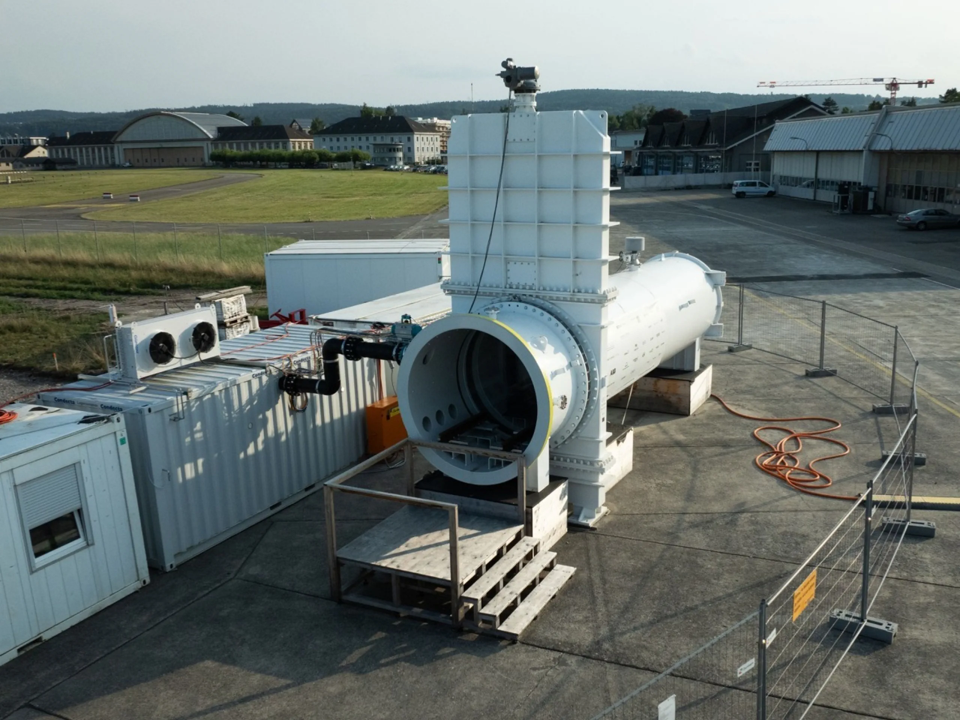
How will future astronauts grow food, recycle resources, and sustain life on the Moon or Mars? These are some of the questions addressed at the Space Habitat Analog Research Facility (SHARF) in Dübendorf.
At the heart of SHARF is the DemoTube, a large enclosed chamber where environmental conditions can be precisely controlled. Researchers can adjust air pressure, temperature, and atmospheric composition to recreate environments similar to those found on the Moon, Mars, spacecraft, or future space habitats.
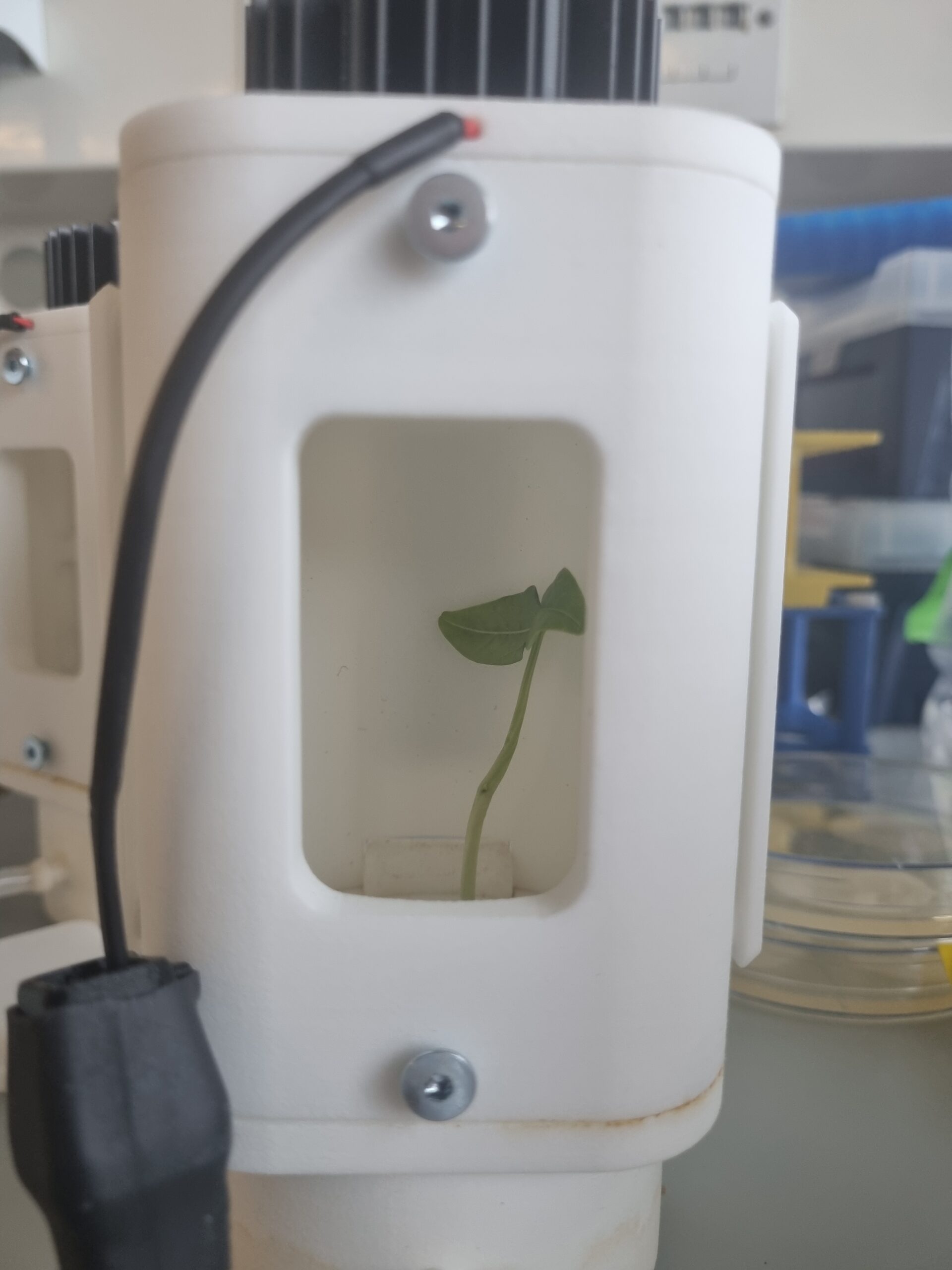
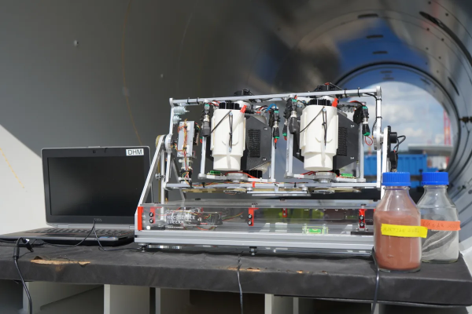
SHARF also enables experiments under simulated lunar, Martian, or microgravity conditions using specialized devices called Random Positioning Machines. Combined with advanced laboratory facilities, this unique setup allows scientists to investigate how plants, microbes, materials, and biological systems respond to space-like environments.
The facility is operated through a collaboration between the University of Zurich (UZH), the Lucerne University of Applied Sciences and Arts (HSLU), the EuroTube Foundation, and the Center for Space and Aviation Switzerland and Liechtenstein (CSA), bringing together expertise in biology, engineering, and space sciences. At our booth, visitors will discover how scientists simulate extraterrestrial environments on Earth and learn how research for future space missions can also contribute to more sustainable agriculture and resource management here on Earth.